Research Projects
Long-term survival of large low-velocity provinces
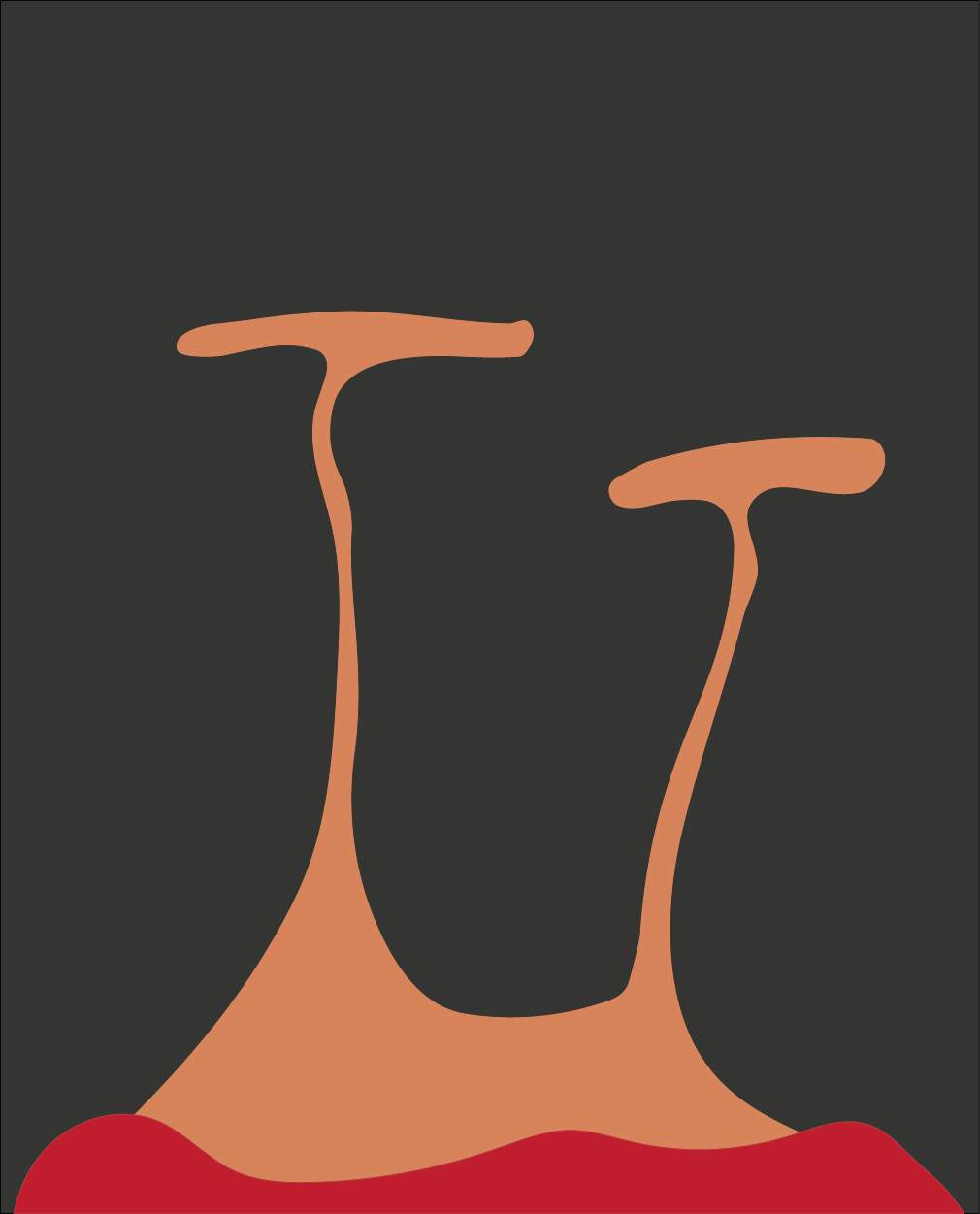
Large Low-Velocity Provinces (LLVPs) are two enormous structures located nearly 3,000 km beneath Earth's surface at the base of the mantle. Despite billions of years of mantle convection, these deep-mantle features have remained remarkably stable. Using numerical simulations of mantle convection, I investigate how their internal density structure influences their long-term survival and show that a thin, dense basal layer can help preserve these structures over geologic time. For further details, see Kar & Li., 2025 (PEPI).

Role of core-derived lighter oxides in mantle dynamics
Earth's core continuously releases small amounts of buoyant, light materials such as He, O, Mg, Si, etc., into the mantle as the planet slowly cools. Using numerical models of mantle convection, I investigate how these core-derived materials are transported through the mantle and whether they become trapped in deep-mantle structures, carried upward by mantle plumes, or mixed into the surrounding mantle. This work helps explain how material is exchanged between Earth's core and mantle and provides new insights into the origin of the distinct chemical signatures observed in volcanic hotspots around the world.
Hemispheric thermal dichotomy in the lunar mantle
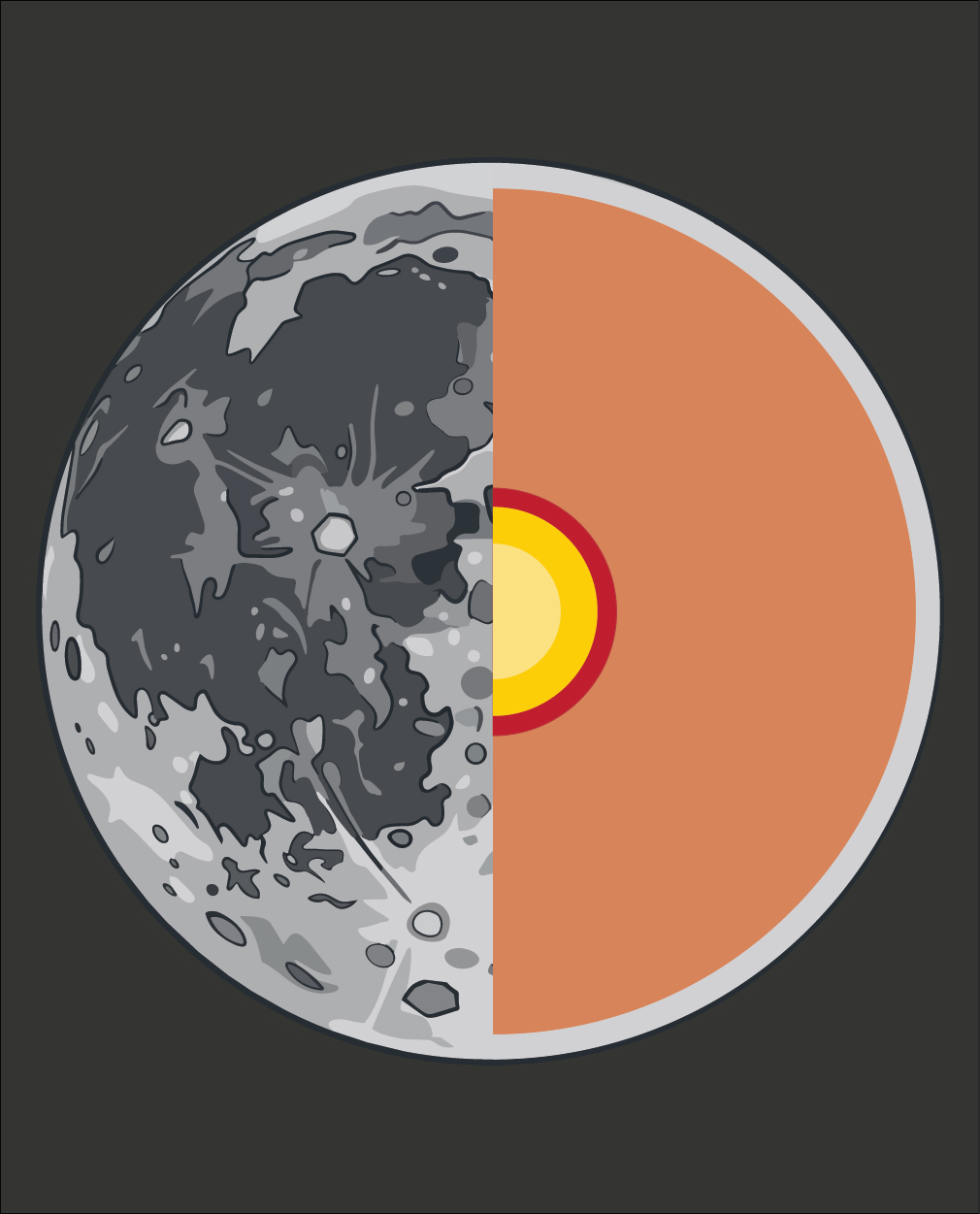
Although the Moon is no longer geologically active, its nearside and farside exhibit striking differences in crustal thickness, volcanic history, and mantle temperature. Using 3D numerical simulations, I investigate how early lunar differentiation and giant impacts may have produced and preserved these long-lasting hemispheric differences. By reconstructing the Moon's interior evolution, my research provides insights into the earliest stages of planetary evolution, including processes that have long since been erased from Earth's geological record.
Coupled storage for hydrogen and nitrogen in coesite in Earth's mantle
Water and nitrogen play fundamental roles in Earth's evolution, but where these elements are stored deep inside the planet remains an open question. Through high-pressure laboratory experiments and mineral analyses, I investigate how silica minerals in the mantle can store hydrogen and nitrogen within their crystal structures. Our results suggest that coesite may be an important deep-mantle reservoir for nitrogen, providing new insights into Earth's deep volatile cycle.